
Restore Damaged Teeth & Protect Your Smile With Strong, Natural-Looking Dental Crowns
- 13 Years Of Dental Experience
- Four Dental Crown Material Options To Explore
- 10–15 Years Of Potential Dental Crown Longevity
- Flexible Monthly Payments With Cherry Financing
A damaged or weakened tooth can affect more than the appearance of your smile. It may make chewing uncomfortable, create sensitivity to certain foods, or leave you concerned about whether the tooth will continue to function properly. Dental crowns offer a reliable way to restore strength, protect vulnerable tooth structure, and maintain a natural-looking smile. At Pierpont Dental Care, we provide personalized dental crown treatment for patients in Ventura, CA, with careful attention to comfort, function, and aesthetics. Whether your tooth has been affected by decay, injury, or years of wear, our team can help you understand your options and determine an appropriate way to protect your smile and support long-term oral health.
What Is A Dental Crown?
A dental crown is a custom-made restoration that covers the visible portion of a tooth above the gumline. Often described as a protective cap, a crown is designed to restore a tooth’s shape, strength, and function while closely resembling its natural appearance.
Unlike a dental filling, which replaces a specific area of missing tooth structure, a crown surrounds the remaining tooth to provide more comprehensive coverage. This makes crowns particularly useful when a tooth has extensive damage or is no longer strong enough to support a traditional filling.
At Pierpont Dental Care, dental crowns are considered within the broader context of your oral health. The goal is not simply to cover a damaged tooth, but to create a restoration that fits comfortably, supports your bite, and helps preserve the underlying tooth structure. A properly designed crown should complement your neighboring teeth in size, shape, and color. It should also allow you to chew and speak naturally without drawing attention to the restoration.
When Is A Dental Crown Recommended?
Dental crowns may be recommended when a tooth requires additional protection or structural support beyond what a filling or other conservative restoration can provide.
During your examination, our team evaluates the condition of the tooth, the amount of healthy structure remaining, and how the tooth functions within your bite. Digital imaging or x-rays may be used when necessary to assess damage that cannot be seen during a visual examination.
Common reasons for recommending a dental crown include:
- Extensive tooth decay: When a cavity affects a significant portion of a tooth, a crown may provide better protection than a large filling.
- Cracked or fractured teeth: A crown can help stabilize certain damaged teeth and reduce the risk of additional fractures.
- Large existing fillings: Teeth with extensive fillings may become weaker over time and require additional structural support.
- Severe tooth wear: Grinding, clenching, or long-term erosion can change the shape and strength of teeth.
- Root canal treatment: Some teeth benefit from crowns after root canal therapy to protect the remaining structure.
- Cosmetic concerns: A crown may improve the appearance of a tooth with significant discoloration, irregular shape, or structural damage.
Not every compromised tooth requires a crown. When enough healthy tooth structure remains, a filling, inlay, or onlay may be appropriate. Our approach focuses on selecting treatment that addresses the problem without unnecessarily removing healthy tooth structure.
Dental Crowns For Damaged, Decayed, & Worn Teeth
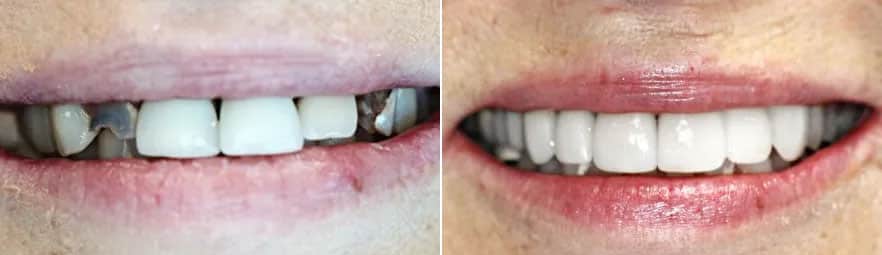
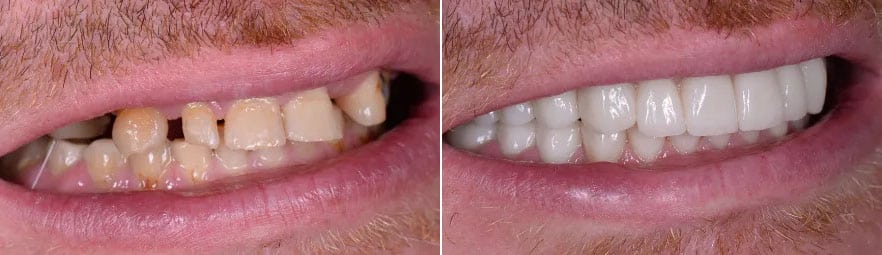
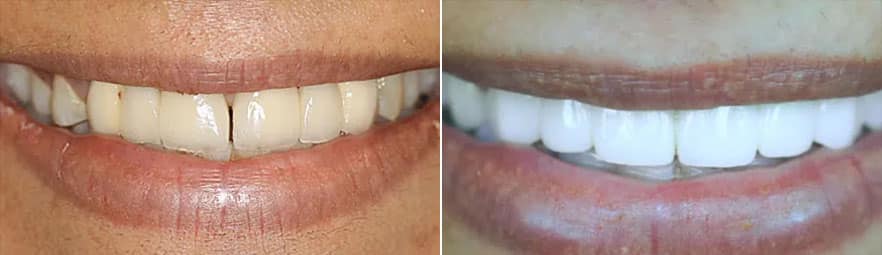
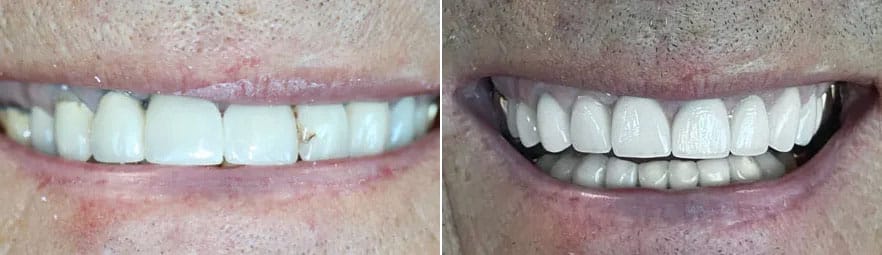
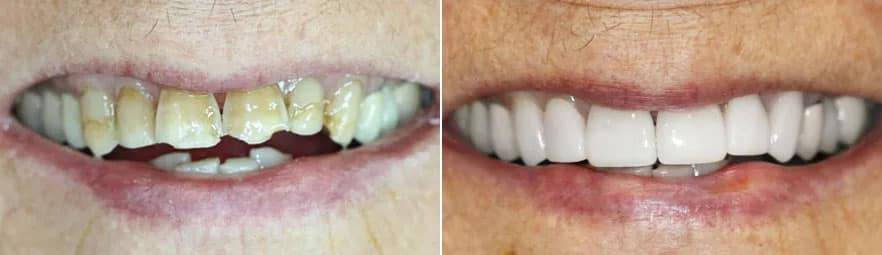
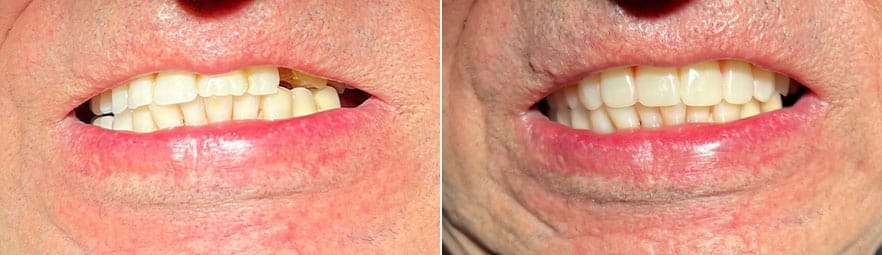
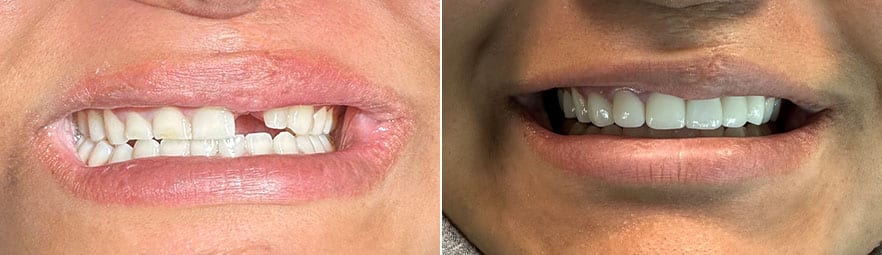
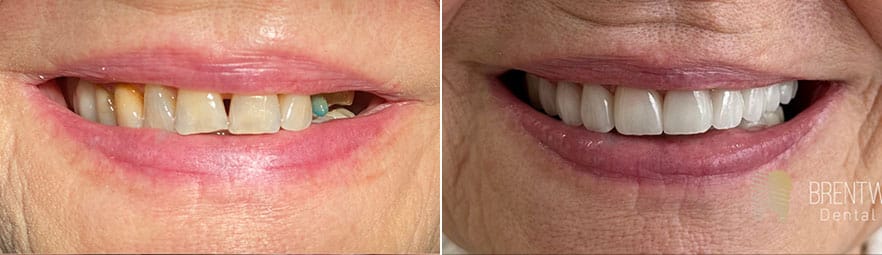
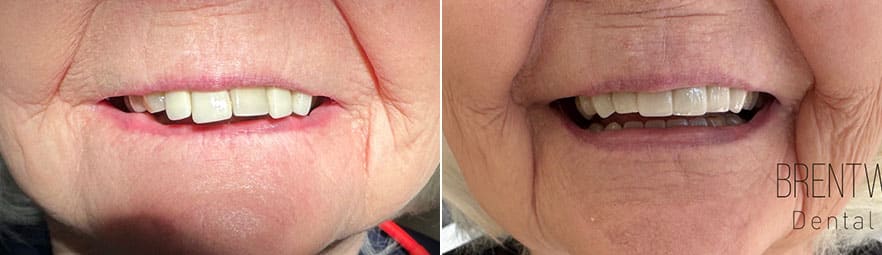
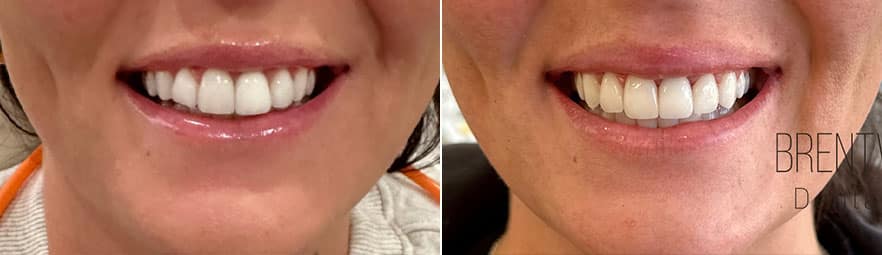
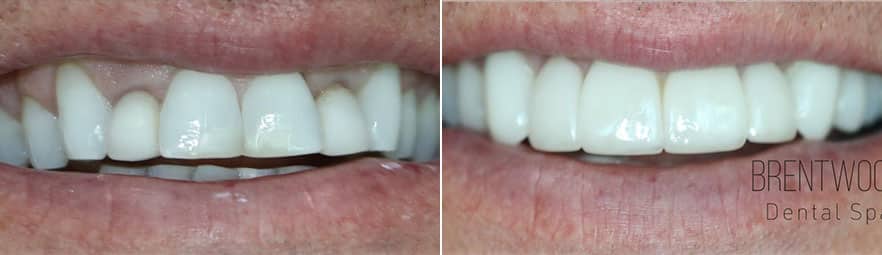
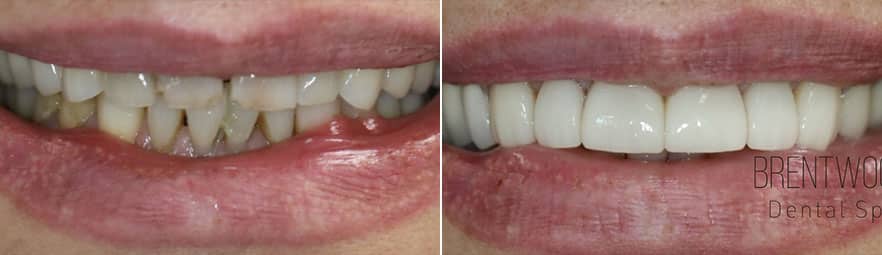
Dental crowns help restore teeth weakened by decay, cracks, injuries, or excessive wear. By covering and protecting the remaining tooth structure, crowns improve strength, appearance, and chewing function.
For teeth with extensive decay or large fillings, a crown provides additional support when a traditional filling may not be sufficient. Crowns can also protect certain cracked teeth and restore teeth worn down by grinding or bite-related issues.
At Pierpont Dental Care, our team evaluates the condition of your teeth and identifies underlying concerns to recommend a restoration that supports lasting comfort, function, and oral health.
Types Of Dental Crowns & Materials
Dental crowns can be fabricated from several materials, each offering different advantages in appearance, strength, and longevity. The most suitable option depends on the tooth’s location, the amount of biting pressure it receives, and your individual preferences.
Porcelain & Ceramic Crowns
Porcelain and ceramic crowns are valued for their ability to closely resemble natural tooth enamel. Their color and translucency can be customized to blend with surrounding teeth, making them particularly appealing for visible areas of the smile.
Certain modern ceramic materials also offer excellent strength, allowing them to be considered for both front and back teeth when clinically appropriate.
Zirconia Crowns
Zirconia is a strong ceramic material commonly used for restorations that must withstand substantial chewing pressure. It can be an appropriate option for molars and other teeth that require additional durability.
Modern zirconia restorations are available in different shades and translucencies, allowing dentists to balance strength with natural-looking results.
Porcelain-Fused-To-Metal Crowns
Porcelain-fused-to-metal crowns combine a metal framework with an outer porcelain layer. The metal provides structural support, while the porcelain creates a tooth-colored appearance.
These restorations have a long history of use, although the underlying metal may sometimes become visible near the gumline as surrounding tissues change.
Metal Crowns
Crowns made from gold alloys or other dental metals offer durability and resistance to fracture. They generally require less thickness than some other materials but do not match the natural color of teeth.
Metal crowns may be considered for less visible areas of the mouth, depending on individual circumstances.
Our team will explain the advantages and limitations of suitable materials so you can make an informed decision. Material availability and recommendations are determined during your consultation.
What To Expect During The Dental Crown Process
Understanding how a crown is placed can make the experience feel more manageable. Although treatment details vary depending on the condition of the tooth, traditional dental crown placement generally involves an examination, tooth preparation, and final restoration.
Initial Examination & Treatment Planning
Your visit begins with a careful evaluation of the affected tooth and surrounding structures. We assess the extent of damage, check your bite, and discuss any symptoms you may be experiencing.
If a crown is recommended, we explain why it is appropriate, what alternatives may exist, and how the restoration will support your oral health.
Preparing The Tooth & Taking Impressions
The tooth is typically numbed before preparation to help maintain comfort. Damaged or decayed material is removed, and the remaining tooth is carefully shaped to create space for the crown.
If substantial tooth structure is missing, a foundation or buildup may be necessary to support the restoration.
An impression or digital scan is then taken to capture the tooth’s shape and relationship to neighboring teeth. These measurements help create a crown that fits accurately within your bite.
Temporary Crown & Final Placement
When a crown is fabricated by an outside dental laboratory, a temporary crown is generally placed to protect the prepared tooth until the final restoration is ready.
During the placement appointment, the temporary crown is removed and the permanent crown is evaluated for fit, color, and bite alignment. Adjustments may be made before the crown is securely cemented or bonded into position.
Our team will provide specific instructions regarding eating, cleaning, and protecting your restoration after placement.
Dental Crowns After Root Canal Treatment
After root canal therapy, a dental crown may be recommended to protect and strengthen the treated tooth. Teeth with extensive decay, large fillings, or fractures are often more vulnerable to damage, especially back teeth that experience greater chewing pressure.
When Is A Crown Necessary?
The need for a crown depends on several factors:
- Location of the treated tooth.
- Amount of healthy tooth structure remaining.
- Presence of large fillings or cracks.
- Overall bite and chewing pressure.
At Pierpont Dental Care, our team evaluates each tooth to determine whether a crown or another restoration provides the best protection. Timely treatment helps reduce the risk of fractures and supports long-term tooth function.
Caring For Your Dental Crown
Proper care helps maintain the strength, appearance, and longevity of your dental crown. While crowns cannot develop cavities, the underlying tooth and surrounding gums still require daily attention.
Tips For Maintaining Your Dental Crown
- Brush twice daily with fluoride toothpaste.
- Floss daily around the crown and gumline.
- Avoid chewing ice or biting hard objects.
- Wear a nightguard if recommended for teeth grinding.
- Attend regular dental exams and professional cleanings.
Some temporary sensitivity after crown placement is normal, but persistent discomfort, looseness, or damage should be evaluated promptly.
At Pierpont Dental Care, our team monitors your crown and surrounding teeth to help ensure lasting comfort, function, and oral health.
Lauren B.
“It is so nice to find a great dental practice in Ventura. The care is high quality, the team is friendly, the office is new, and scheduling is flexible. I highly recommend this practice.”
Trent S.
“I recently completed a week of treatment at Pierpont Dental Care, and I could not recommend this practice more. The team was friendly, professional, and worked efficiently throughout my care. I am very happy with my experience.”
Jojo A.
“The team is awesome, attentive, and takes the time to explain everything clearly. The office is very clean, and I highly recommend giving this practice a try. Thank you for all your help!”
Janet A.
“I wish I could leave two five-star reviews because my son and I both loved our experience here. The team is incredibly kind, and the entire office is clean and welcoming. We are so glad we found Pierpont Dental Care!”
Restore Your Tooth & Protect Your Smile At Pierpont Dental Care
A dental crown can help protect weakened teeth, restore comfortable function, and preserve your natural smile. At Pierpont Dental Care, our team provides personalized treatment recommendations and natural-looking restorations designed to support long-term oral health.
Whether you have a cracked tooth, extensive decay, or a worn restoration, we’re here to help you explore your options. If you’re considering dental crowns in Ventura, CA, contact Pierpont Dental Care today to schedule an appointment and take the next step toward a healthier, stronger smile.